
Dental Implants - Garden Ridge Center For Dentistry

Dental Implants

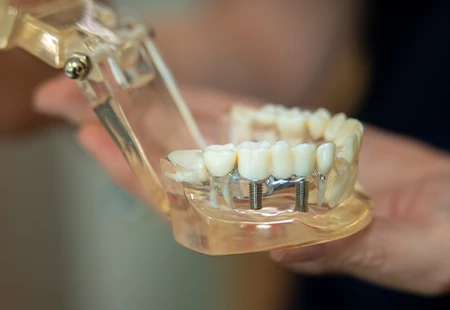
A dental implant is a safe and predictable option for the permanent replacement of a missing tooth or teeth. Most dental implants are made of titanium, which is a very safe and biocompatible material. In this procedure, a small implant is placed into the bone. The implant is then allowed to integrate into the bone over a period of time determined by your dentist. Once the implant is stable in the bone and able to handle chewing forces, your dentist will attach a replacement tooth on top of the implant.

Natural Look & Feel - Garden Ridge Center For Dentistry

Natural Look & Feel

This replacement tooth includes both a custom abutment, and a tooth colored crown. This is often “screw retained” into the implant. We pride ourselves in taking great care in the design of our custom abutments and implant crowns, so the implant looks as natural as possible when you smile. Implants are also a top choice among our patients because they feel like natural teeth. Patients enjoy the fact that implant crowns can be brushed and flossed like their natural teeth, and do not have to be removed at night like a removable partial.

Dual Purpose - Garden Ridge Center For Dentistry

Dual Purpose

Implants may also be used as special anchors to help stabilize dentures. The lower denture especially benefits from implant stabilization, as it tends to move more with chewing and speaking than an upper complete traditional denture.

Complete Teeth Replacement - Garden Ridge Center For Dentistry

Complete Teeth Replacement

For those patients that are missing all of their natural teeth, or require the complete replacement of their teeth, a procedure called “All on X” or “All on Four” may be an option. In this incredible procedure, four to six implants are placed, and a complete set of teeth are attached- all in one day! This can be a life changing procedure that helps patients chew again with the strength of their natural teeth. This can also be a cosmetic transformation, helping people regain lost confidence.

Achieving a Natural Look with Single Anterior Implants - Garden Ridge Center For Dentistry

Achieving a Natural Look with Single Anterior Implants

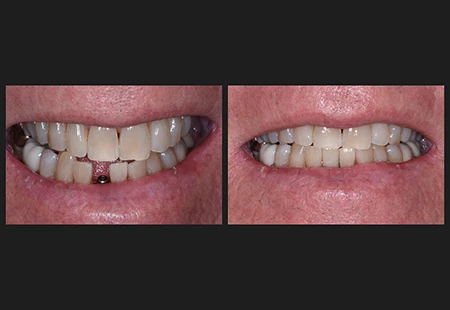
Restoring a single anterior implant, especially a central incisor, requires more than just successful osseointegration—it demands a keen eye for esthetics. At Garden Ridge Center for Dentistry, Dr. Olivia Ray emphasizes the importance of balancing function with a natural appearance. By carefully considering factors such as gingival contour, tooth shape, and smile symmetry, we ensure that implant restorations seamlessly blend with your natural teeth. Our approach prioritizes both precision and artistry, giving you a confident and harmonious smile.

Frequently Asked Question about Dental Implants

Not right away. Dental implants need healthy gums and strong bone to stay secure in the mouth. Gum disease can damage the bone and tissue that support your teeth, which puts implants at risk of failing. If you have gum disease, your Garden Ridge dentist will first recommend treatment, such as a deep cleaning or other periodontal care, to get your gums back to a healthy state. Once your gum health is restored, implant dentistry is an excellent option to replace missing teeth.

No, not every dental implant procedure needs bone grafting. Bone grafts are only recommended if the jawbone isn’t thick or strong enough to support an implant. Many patients already have enough bone for implant dentistry without extra procedures. If bone grafting is needed, it helps create a stable foundation so the dental implant can last for years. Your Garden Ridge dentist will take X-rays and scans to see if bone grafting is necessary before moving forward with treatment.

The process of getting a dental implant usually happens in a few stages. First, your dentist evaluates your mouth and takes X-rays to plan your treatment. Next, the dental implant, a small titanium post, is placed into the jawbone. Over the next few months, the bone heals around the implant in a process called osseointegration. Once healed, a “bridge-like” piece is attached to connect the implant to the final restoration. The last stage is placing a custom crown, bridge, or denture on top. Implant dentistry may take several months, but it results in a strong, natural-looking replacement for missing teeth.

Bone loss around dental implants can happen if the bone supporting the implant becomes weak. In implant dentistry, the most common way to fix this is with a bone graft. A bone graft adds new bone material to strengthen the area so the implant stays secure. Sometimes, guided tissue regeneration or other advanced treatments are also used to help the bone heal and regrow.

If you notice signs like loose implants, gum recession, or discomfort, it’s important to visit your dentist right away. With the right treatment, dental implants can often be saved and supported for many more years.