


Bridges - Garden Ridge Center For Dentistry

Bridges

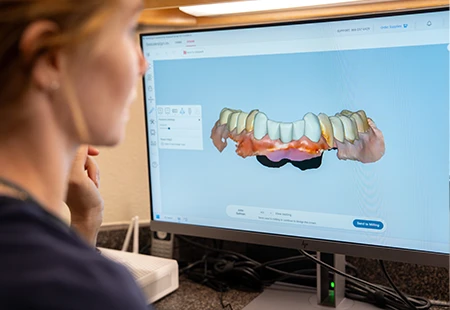
How can you replace a missing or pulled tooth? A dental bridge is an option to fill the gap caused by a missing tooth.  A bridge is typically supported by a crown on each side of the missing tooth- these anchor teeth are the supporting teeth. The supporting teeth on either side of the gap is why this restoration is called a “bridge”, and the missing tooth is replaced with an artificial tooth. It is made to look just like the natural missing tooth, and is cemented permanently in place.

Advantages - Garden Ridge Center For Dentistry

Advantages

Before replacing teeth with implants, bridges were widely chosen for tooth replacement, because they are permanently cemented, and don’t need to be removed at night. 

What are the advantages to replacing a missing tooth with a bridge? By replacing missing teeth, you help your overall bite remain stable, and prevent shifting of nearby teeth. This can also help improve your ability to eat the foods you love, smile with confidence, and help with speech. A bridge is a permanent solution to a missing tooth that does not involve surgery, so patient’s that are not a candidate for implant surgery due to medical reasons may have success with a bridge.

Maintenance  - Garden Ridge Center For Dentistry

Maintenance

Are there any risks or complications? A bridge is cemented onto natural teeth, so these teeth must remain healthy to support the missing tooth. These teeth must be prepared as crowns to support the bridge, but they can fracture or develop bone loss or decay if they are not cared for properly. Greater attention to flossing and brushing is needed to keep the abutments, or anchor teeth, healthy and clean. Your dental team can show you techniques to clean around the bridge with tools like a floss threader or a Water Pik.

Missing Teeth - Garden Ridge Center For Dentistry

Missing Teeth

It is important that a missing tooth be replaced as soon as possible for several reasons. If not treated, the teeth surrounding the missing tooth gap may begin to shift. The adjacent teeth may also start to wear down or fracture due to the extra stress being applied when chewing. Your team at Garden Ridge Center for Dentistry can help you with a plan to see if you are a candidate for a bridge to replace a missing tooth!

Frequently Asked Questions about Dental Bridges

Getting a dental bridge is generally not painful. Your Garden Ridge dentist will use local anesthesia to numb the area, so you won’t feel discomfort during the procedure. Afterward, some patients experience mild soreness or sensitivity in the gums or surrounding teeth, but this usually fades within a few days. Over-the-counter pain relievers should be enough to manage any temporary discomfort. If discomfort is lasting longer than a few days, schedule a visit with your dentist to ensure everything is healing properly.

Pain under or around a dental bridge can happen for several reasons. Sometimes it’s caused by tooth decay developing under the crowned teeth that support the bridge, especially if oral hygiene is difficult in that area. Gum disease or inflammation around the bridge can also create discomfort. In other cases, the bridge may not be fitting properly, which may be putting pressure on the surrounding teeth or gums. Rarely, pain can come from a damaged tooth root or nerve beneath the bridge. If you notice ongoing pain, it’s important to visit your dentist to determine the exact cause and get the right treatment.

After getting a dental bridge, it’s best to stick to soft foods for the first few days while your mouth adjusts. Options like yogurt, mashed potatoes, pasta, eggs, and smoothies are gentle and won’t put stress on your new bridge. Once you feel comfortable, you can return to your normal diet. However, some foods should be avoided altogether to protect your dental bridge. Hard foods (like ice, hard candies, or nuts) can crack or loosen the bridge. Sticky foods (like caramel or taffy) may pull at the bridge and make cleaning difficult. It’s also smart to limit very sugary foods and drinks since they can increase the risk of decay around the supporting teeth.

Dental bridges and dental implants are both effective ways to replace missing teeth, but they work differently. A dental bridge uses the healthy teeth on either side of the gap as anchors, with a false tooth in between. It can usually be completed in just a couple of visits, making it a faster solution. However, it does require reshaping the supporting teeth and may need replacement after 10–15 years. Dental implants, on the other hand, are surgically placed into the jawbone, acting like an artificial tooth root. They help preserve bone health, don’t affect neighboring teeth, and can last a lifetime with proper care.